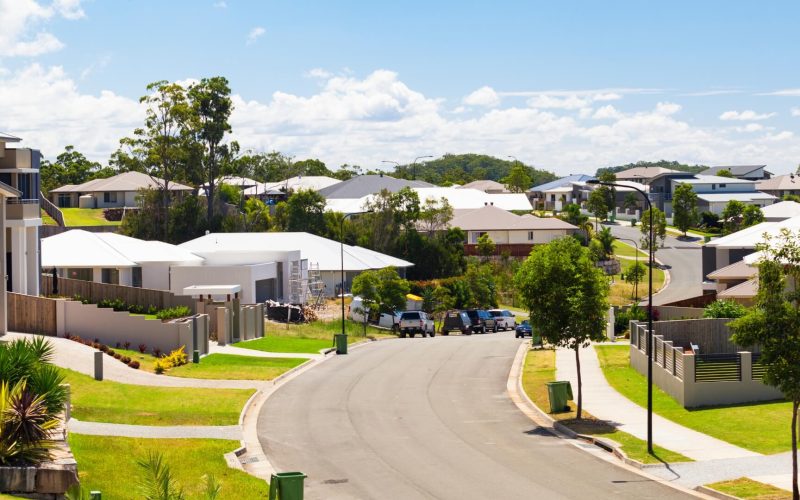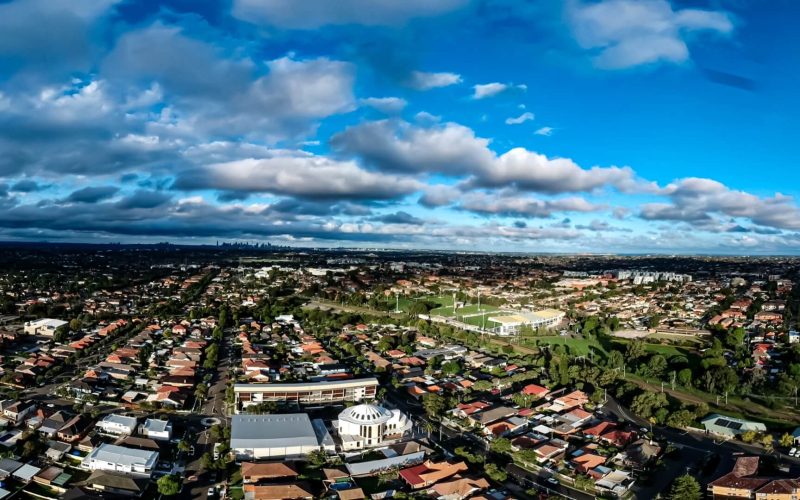
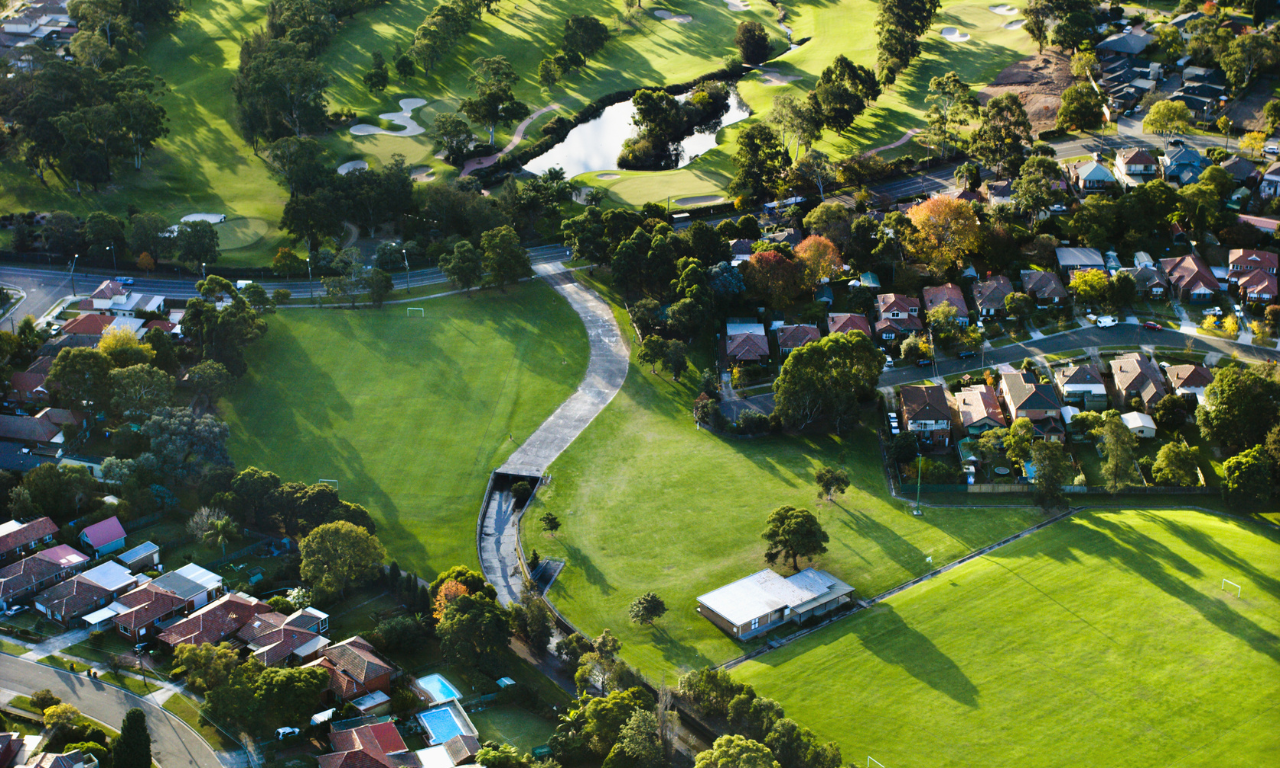
Every registered club in NSW has a story like this one. A bowling green, golf course or leagues club was set up decades ago on a quiet block at the edge of town. The suburb grew up around it. The car park once serving a Sunday afternoon crowd, now sits on some of the most valuable land in the area, a short walk from a train station.
This is the idea behind a proposal covered widely in national headlines in late July 2026. A new report from the McKell Institute, backed by ClubsNSW, argues surplus land held by the state’s 1,070 registered clubs could unlock tens of thousands of new homes, without a single club having to close.
For a broker sitting in Bankstown, in the middle of one of the fastest-growing corridors in Sydney, this isn’t a distant policy debate. It’s a story about the land right around us.
What’s actually being proposed
The McKell Institute’s Community Hubs for Housing the Community report modelled every registered club in NSW, from golf courses to bowling clubs, RSLs and leagues clubs. The headline numbers:
Under current planning rules, club land could support around 14,000 new homes.
With targeted reform, the figure rises to approximately 38,000 homes, roughly 10% of the state’s Housing Accord target.
Golf courses account for the majority of that capacity, simply because of how much land they hold (more than 9,600 hectares across 223 courses statewide).
Clubs already pursuing this model include Campbelltown Catholic Club, six weeks into construction on 92 seniors living apartments, and Dee Why RSL, which built a 76-unit retirement village with 300 families on the waiting list.
The story was picked up across Channel 7, 2GB and regional radio, with ClubsNSW CEO Rebecca Riant framing it as a genuine opportunity for the State Government to rethink zoning settings on club land.
Why this matters in Bankstown
Bankstown is exactly the kind of area this report is talking about. It’s home to RSLs, bowling clubs and sporting venues built on land now surrounded by growth, and it sits within the Sydenham to Bankstown corridor we’ve written about before, where the metro upgrade and new planning rules are already reshaping what can be built.
The report found 258 clubs statewide sit within 800 metres of a train, metro or light rail station, and metropolitan Sydney accounts for 58% of the expected housing yield. Areas like Bankstown, already a priority location for new homes under the state’s transport-oriented development reforms, are precisely where this kind of land is best positioned to contribute.
The barrier holding most of it back
Here’s the catch. About 60% of clubs sit on land zoned RE2 (Private Recreation), which currently only permits seniors housing, not general residential development. A club on RE2 land wanting to build townhouses or apartments has to secure a council rezoning first, a process the report says typically takes three to five years, sometimes longer.
The report’s three recommendations are aimed squarely at that barrier:
- A faster planning pathway. Extend the Housing Delivery Authority to clubs on constrained land, allowing rezoning and development approval to happen at the same time rather than in sequence.
- A government-funded advisory service, likely delivered through Landcom, to help volunteer-run club boards navigate feasibility, developer negotiations and governance obligations they’ve never had to deal with before.
- Relief on development levies, recognising clubs retaining open space and community facilities on site are, in effect, already providing some of what those levies are meant to fund.
None of this is law yet. It’s a proposal, and one depending on the NSW Government picking it up. But it’s a live conversation, and one worth watching if you own property near a club site or are weighing up your own next move.
What this could mean for local owners and investors
If even a fraction of this land comes to market over the next decade, it changes the picture for a few different groups around Bankstown.
Club committees and boards considering their own site’s potential are in a similar position to any first-time developer: they’ll need construction finance structured around staged builds, and clear advice on how a mixed-use or seniors living project stacks up financially before committing.
Homeowners and investors near club land may see new supply, and new amenity, appear closer to home than expected. As we’ve said before about the Bankstown corridor, being close to transport and a growing precinct tends to support tenant demand and long-term value, even while the broader build-out takes years to play out.
SMSF and retirement-focused investors may find seniors living and retirement village developments, the model clubs are already using most successfully, worth keeping an eye on as a long-term, income-focused option.
The risks and realities
It’s worth being clear-eyed about this. The 38,000 figure depends entirely on policy reform yet to happen , and even the more conservative 14,000 figure assumes clubs choose to develop, which many won’t. Zoning changes, council processes and construction costs will still shape what actually gets built, and timing here is measured in years, not months.
What matters for you isn’t the headline number. It’s whether a specific site, a specific opportunity, or a specific piece of finance makes sense for your situation.
How Citywide LPI Bankstown can help
Whether you’re a club committee member exploring what your site could support, a local owner watching how planning changes might affect your property, or an investor weighing up a seniors living or mixed-use opportunity, the right finance structure is what turns an opportunity into a real project.
Get in touch with Nahil Chidiac from Citywide LPI Bankstown to talk through what these changes could mean for your borrowing position, whether it’s construction finance , a commercial facility, or simply understanding your options before you commit.
Want more updates like this? Follow Citywide LPI Bankstown on Instagram and Facebook for the latest on property finance, market news and what it means for Bankstown and South West Sydney